

Designing Spaces That Speak to You
At Sharmila’s Homes and More, we believe every space should be a seamless blend of purpose, comfort, and visual harmony. Our approach is rooted in understanding the why behind every project — aligning design with the lifestyle, values, and aspirations of the people who inhabit the space.
With a strong focus on thoughtful planning, we pay close attention to spatial flow, natural light, materials, and detailing. Each project begins with deep client collaboration, site understanding, and concept visualization to ensure the outcome is meaningful and enduring.
We don’t just design — we curate experiences. From the first sketch to the final finishing touches, we ensure every element works together to elevate the functionality and emotional connection of a space.
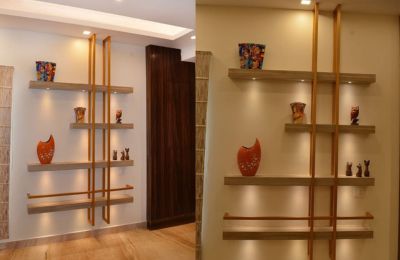

Why Space Planning Matters in Interior Design!!
Smart space planning is at the core of every well-designed interior. It ensures each area is not only beautiful but also purposeful — supporting daily routines, comfort, and overall user experience. Our approach prioritizes the intent and flow of a space, making sure every corner serves a function while contributing to the overall harmony.
Effective planning involves careful analysis of architectural constraints, user needs, and lifestyle or business functions. It’s not just about fitting furniture — it's about creating a natural flow that feels effortless and intuitive.
Key Planning Consideration
Collaborative input and design intent
Understanding space limitations
Functional zoning of activities
Compliance with safety and building norms

By combining precision and creativity, our team delivers environments that feel natural, organized, and truly livable.

A well-planned space doesn’t just look good — it moves well. Our process emphasizes circulation patterns, ensuring smooth transitions and logical connections between areas. We factor in flexibility, lighting, ergonomics, and long-term functionality, so your space grows with your needs.
Each space we design is thoughtfully laid out to meet its intended use — whether that’s relaxing, working, healing, or shopping. In an office, this might mean zoning for workstations and meeting rooms; in a home, it could mean balancing private retreats with shared spaces. Every plan is guided by how the space will actually be used, both today and in the future.